If you’ve ever asked yourself what is group therapy, you’re not alone. A lot of people picture a circle of strangers talking about their problems. That’s not wrong—but it’s only part of the story.
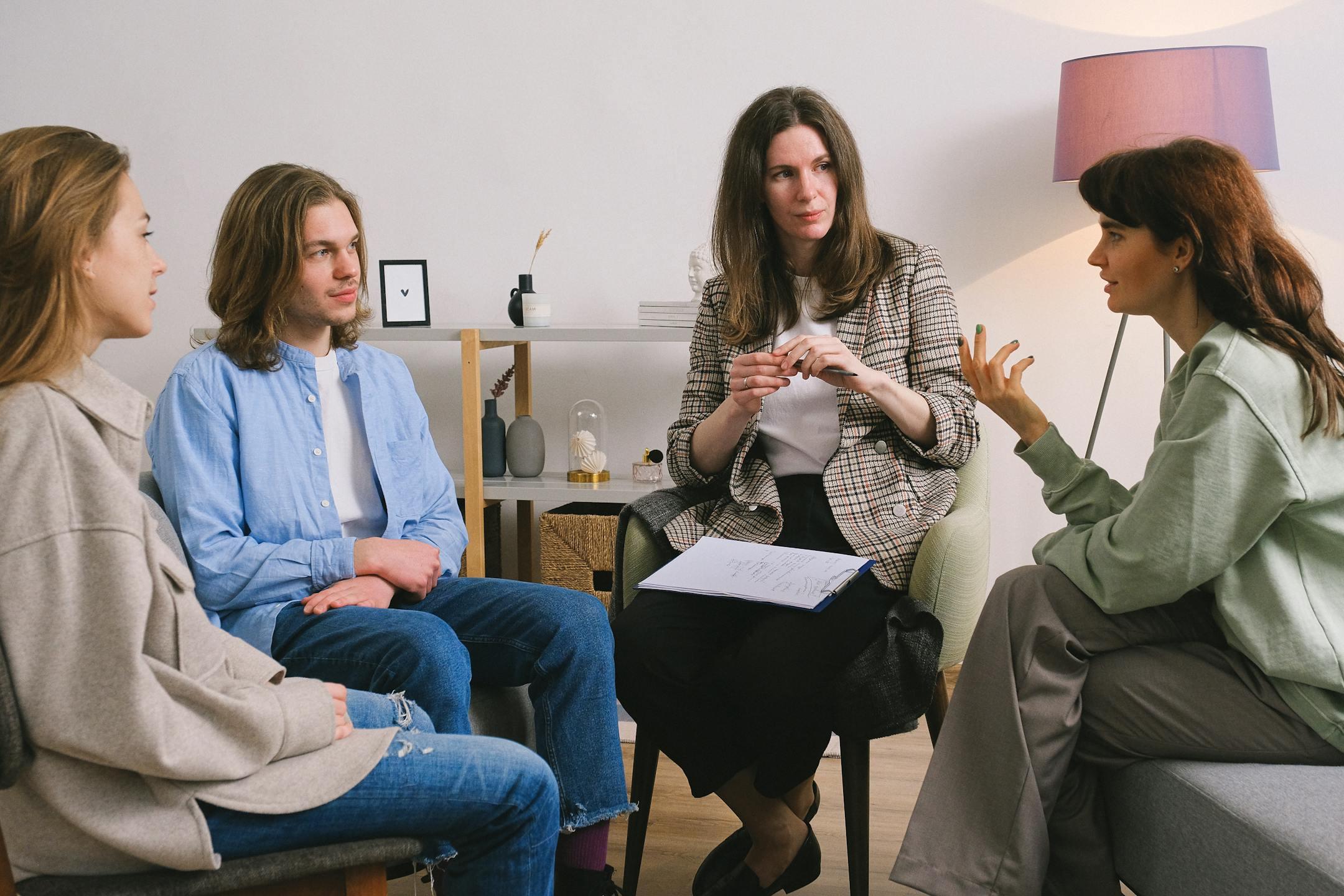
Group therapy is a structured form of psychotherapy. A trained therapist leads a small group of people who are working through similar challenges. That can include addiction, anxiety, depression, or relationship issues. The goal is simple: help people heal through shared experience, honest conversation, and guided support.
And for many people, it works better than going it alone.
Let’s keep it simple.
Group therapy is a type of counseling where one therapist works with several people at the same time. Most groups have 5 to 10 members. Sessions usually happen once or twice a week.
The therapist sets the tone. They guide the conversation, keep things safe, and make sure everyone has space to speak. But the group itself does a lot of the work.
People share what they’re going through. Others listen. Sometimes they relate. Sometimes they ask questions. Sometimes they offer feedback.
And that’s where the real shift happens.
You start to see that you’re not the only one dealing with this.
When people first hear what is group therapy, they often wonder why they wouldn’t just do one-on-one sessions instead.
That’s a fair question. Individual therapy is helpful. But group therapy offers something different.
Here’s what makes it stand out:
Addiction and mental health struggles can feel isolating. You might think no one understands what you're going through.
In a group, that changes fast.
You hear someone describe a situation that sounds exactly like yours. That kind of recognition is powerful. It breaks shame. It builds connection.
You don’t just get help from the therapist. You learn from everyone in the room.
Someone might share how they handled a relapse trigger. Someone else might talk about setting boundaries with family. These are real-life strategies, not just theory.
Group therapy gives you a place to try things out.
You can practice speaking honestly. You can work on listening. You can test healthier ways of responding to stress or conflict.
And you get feedback right away.
So, what is group therapy like once you’re actually in the room?
Here’s how a typical session works.
Most sessions follow a loose structure. The therapist might start with a check-in. Each person shares how they’re doing or what’s on their mind.
From there, the conversation develops naturally. The therapist steps in when needed. They might ask questions, point out patterns, or guide the group back on track.
Group therapy works because it’s a safe space. That doesn’t happen by accident.
There are clear guidelines:
These rules help people open up without fear.
The therapist isn’t just there to observe. They actively guide the session.
They help the group stay focused. They manage conflict if it comes up. They also make sure the conversation stays helpful, not harmful.
In addiction recovery settings, therapists often use approaches like CBT (Cognitive Behavioral Therapy) or DBT (Dialectical Behavior Therapy). These give people tools they can use outside the session.
For people dealing with substance use, group therapy is often a core part of treatment.
That’s because addiction thrives in isolation. Group therapy does the opposite. It creates connection and accountability.
Here’s what that looks like:
You’re not just talking about the problem. You’re working on solutions together.
And when someone else in the group makes progress, it gives you proof that change is possible.
Today, group therapy isn’t limited to one location.
Many providers now offer telehealth sessions. That means you can join a group from home.
Both options work. It depends on what fits your life.
For people in Woodland Hills and nearby areas, having both options matters. It makes support more consistent and easier to stick with.
It’s normal to feel unsure about group therapy. Here are a few concerns people often have:
You don’t have to share everything right away. Many people start by listening. Over time, as trust builds, speaking becomes easier.
A good group doesn’t allow that. The therapist sets clear boundaries. Respect isn’t optional—it’s part of the process.
Yes, when you show up and engage. Group therapy works because it combines professional guidance with real human connection. That mix is hard to replicate anywhere else.
At its core, what is group therapy comes down to this:
It’s a space where you don’t have to figure things out alone.
You get support. You get structure. You get people who understand what you’re facing.
If you’re working through addiction, that kind of support can make a real difference. It helps you stay accountable. It helps you build healthier habits. And it reminds you that change is possible, even on hard days.
If you’ve been thinking about getting help, this is a good place to start.
Group therapy gives you tools you can use right away. It also gives you people who get it. That combination matters more than most people expect.
You don’t need to have everything figured out before you begin. You just need to show up.
If you’re ready to talk, ask questions, or learn more about group therapy and other treatment options, reach out today. A simple step now can lead to real change.